SUMHLC Newsletter
November 2026
Welcome to the November issue! This month, we're proud to launch our redesigned web platform, two upcoming TRAIN ED trainings, a member spotlight on Building Futures and its “We’ve Got Your Back” initiative supporting construction workers, and a special feature exploring the transformative power of gratitude!
Welcome to the New SUMHLC.org
We're excited to introduce the new SUMHLC.org: our resources, trainings and member network in one place, rebuilt to work just as well on a phone as on a computer.
The new site was designed around the people we serve, from someone looking for help today to the providers, staff and partners who support them. Here's what you'll find.
What's new
- Resource Hub: one search for food, shelter, treatment, rides and more, with our Community Resource Guide and Resource Library a click away.
- Residential Bed Availability: open residential treatment beds across Rhode Island, from RI Open Beds, updated throughout the day.
- Treatment Locator: find treatment by service, medication and town.
- RI Behavioral Health Data: charts of overdose deaths and mental health in Rhode Island, alongside state and federal reports.
- TRAIN ED trainings: search the schedule by topic or NBCC and NAADAC approval, see each training's time in your own time zone, go straight to registration, and add trainings to your calendar.
- Licensure & CEU Resources: licensing boards and renewal hours in one place.
- Member Directory and Bill Tracker: find our member organizations, and follow the bills we're tracking at the State House.
- Newsletter: every issue, including this one, now lives on the website.
Easier for everyone to use
- Help is always within reach: the top of every page shows how to reach 988 and BH Link, and Get Help Now brings crisis lines and local crisis teams together.
- Read it your way: the bar at the top of every page lets you read the site in Spanish, make the text larger, or switch to high contrast.
- Find anything fast: the search button in the header finds pages, providers, member organizations and bills as you type.
Take the tour. On your first visit, look for Take a quick tour in the welcome banner at the top of the page for a short walk through the highlights.
Bookmarked the old site? Old links, including those to trainedprogram.net, now take you to the right place on the new site.
We'd love to hear what you think. Send us your feedback.
Member Spotlight: Building Futures
Building Careers, Changing Futures, Saving Lives
For more than two decades, Building Futures has been creating pathways to economic opportunity through workforce development and registered apprenticeships. Led by President and CEO Andrew Cortés, the organization helps individuals overcome barriers to employment and establish meaningful, financially sustainable careers in the skilled trades.
At the heart of its work is a five-week, hands-on pre-apprenticeship program. Participants receive practical training, career guidance, and financial stipends, with the goal of entering registered apprenticeships where they can earn a living while learning a trade.
Building Futures also creates opportunities for young adults, incarcerated individuals preparing for reentry, and women pursuing careers in traditionally male-dominated trades. More than 500 individuals have been placed into construction careers, with graduates going on to complete apprenticeships, establish businesses, employ fellow graduates, and introduce their own children to the program. For Cortés, who began his own apprenticeship at just 17, the value of this model is personal.
Through its longstanding relationships with unions and employers, the organization recognized another pressing need—one that required an entirely different kind of support.
Construction workers have been disproportionately affected by substance use, overdose, and suicide. The physical demands of the profession, workplace injuries, financial pressures, and a longstanding culture of self-reliance can create enormous challenges. And in a predominantly male workforce where strength and toughness are often valued, admitting that something is wrong may feel particularly difficult.
Having access to help and feeling comfortable asking for it are two very different things.
Working with the RI Building and Construction Trades Council, Rhode Island Associated General Contractors, and state agencies, Building Futures examined the resources already available to workers and the barriers keeping those resources from the people who needed them. The result was a deeper commitment to mental health, substance use recovery, suicide prevention, and direct connections to care—including a dedicated Recovery Director position.
Approximately three years ago, Michael Currier stepped into that role, bringing professional commitment and something equally valuable: lived experience, with 20 years in recovery. His position, funded through opioid settlement resources, lets him work directly with construction unions, employers, and workers to identify gaps in care, provide education, respond to crises, and connect individuals with treatment and recovery resources.
"The goal is to shift the culture from help seeking to help offering," Currier explained.
Rather than expecting someone in crisis to approach a supervisor or navigate complicated behavioral health systems alone, Building Futures brings the message to the places where trade workers spend their days, and makes sure asking for help is met with support, not consequences. Because a person's livelihood is often their greatest concern, it works with individuals and employers so workers can receive treatment knowing every effort is being made to help them return to the careers they have worked so hard to build.
Through the We've Got Your Back initiative, workers encounter reminders that support is available on jobsites, hard hats, banners, and even inside portable restrooms. Each restroom sticker includes a QR code that lets someone privately connect with resources and a direct line to Currier, without having to announce their struggles to coworkers or supervisors. The team jokingly summed up the message behind the stickers with a phrase that certainly gets the point across: "We give a shit about you." While the humor brought a laugh, the sentiment couldn't be more sincere.
Someone who would never raise their hand during a workplace presentation can quietly scan a code and reach out when they feel ready. Currier shared that one worker he had been communicating with reached out during a particularly difficult time. Because connections and resources were already in place, that individual was able to enter treatment that very day.
Meaningful change can't depend on one person, so the initiative also trains peers and allies to recognize when a colleague may be struggling and to begin a conversation without judgment.
Cortés credits the partnerships among unions, employers, state agencies, healthcare providers, and workers that make this possible, and his admiration for Currier's contribution is clear.
"The work that Michael's done is not just life-changing, it's life-saving," Cortés said.
Because behind every hard hat is a human being—with a family, a future, and challenges that may not be visible to anyone else.
To learn more, visit Building Futures RI, call 401-919-5919, or find them at 1 Acorn St, Providence, RI 02903.
We've Got Your Back: Supporting the People Behind the Hard Hats
Building Futures RI's We've Got Your Back initiative is changing how the construction industry addresses mental health, substance use, and suicide prevention.
By bringing confidential support, education, and recovery resources directly to jobsites and union halls, the program is making it easier for workers to access help and support one another.
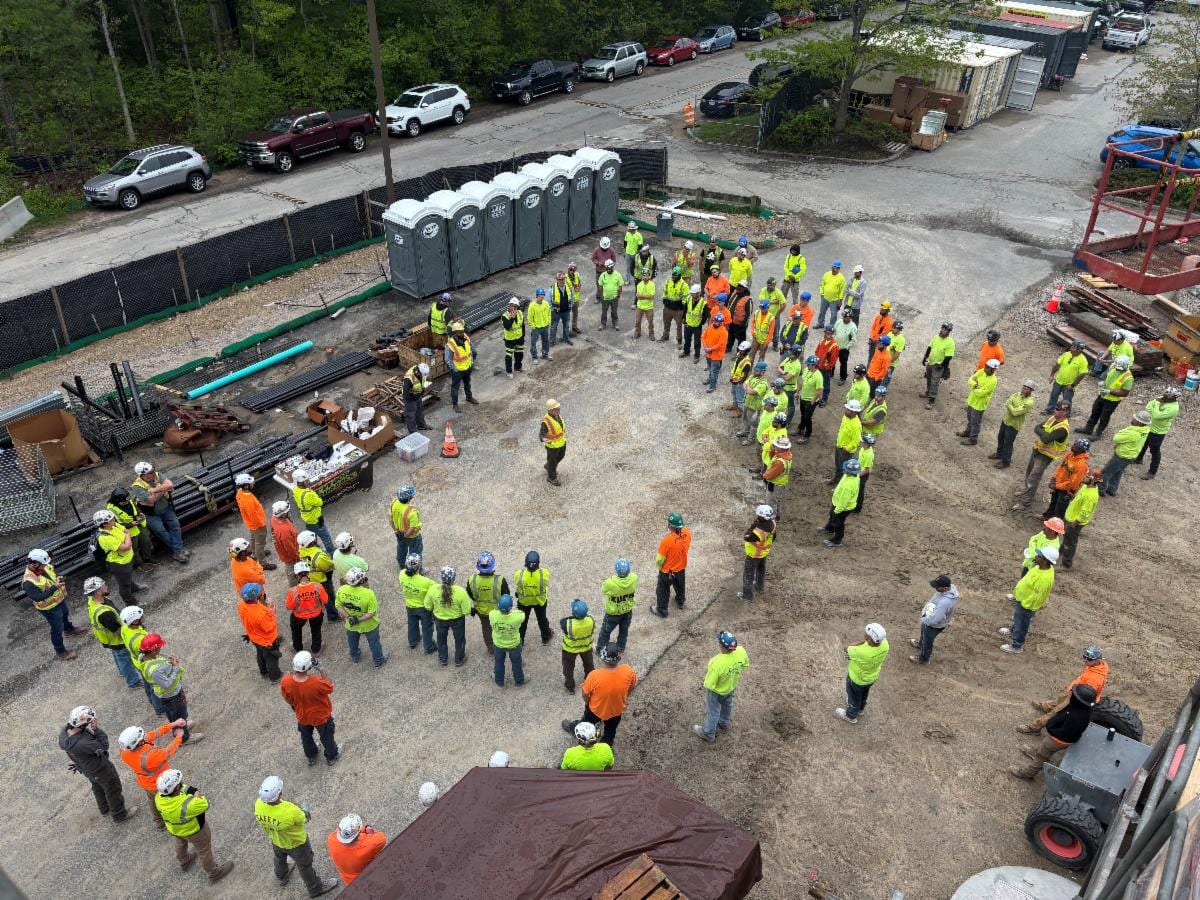
Opportunities and trainings
- Peer Training: An interactive, eight-hour training for building trades union members in recovery, preparing them to support fellow workers.
- Ally Training: A two-hour training for individuals who want to recognize challenges, reduce stigma, and support coworkers.
- Mental Health on the Job: Practical strategies for recognizing mental health concerns, promoting wellness, and connecting workers with resources.
- Suicide Prevention Training: Education to help workers recognize warning signs, have meaningful conversations, and connect others with support.
- Jobsite Support: Onsite education, toolbox talks, post-incident assistance, and confidential connections to clinical services and treatment.
Making a measurable difference
Program impact through September 2026:
- 4,338 workers reached
- 4,898 naloxone kits distributed
- 2,500 We've Got Your Back test-strip kits distributed
- 629.5 clinical hours provided
- 180 peers, allies, and mental health advocates
- 62 trainings offered
- 2 peer network gatherings
- 4,843+ website visits
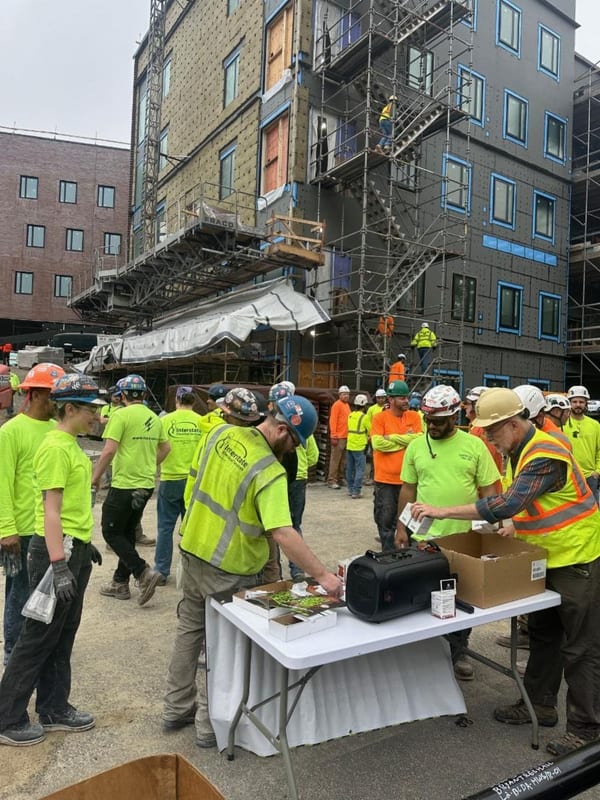
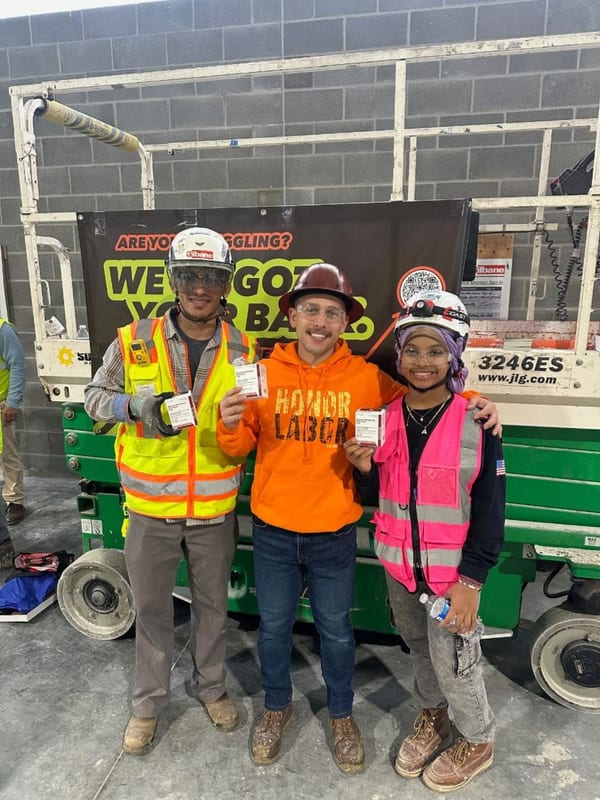
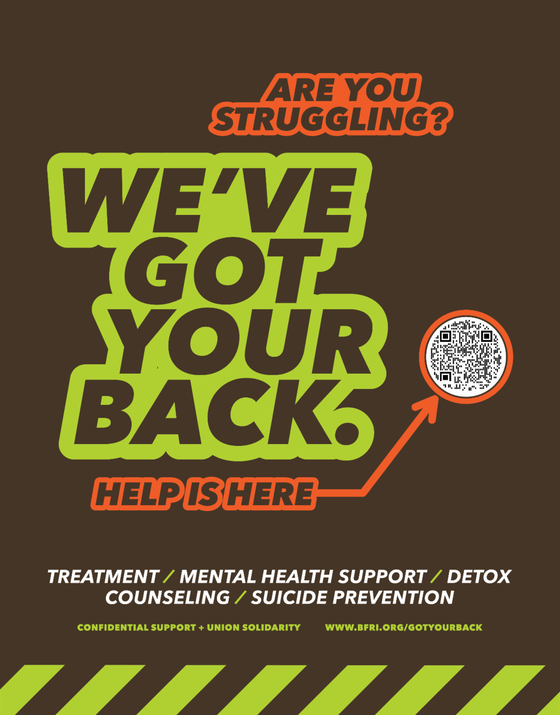
Because looking out for one another should be part of every job.
Hot Topic: The Power of Gratitude
Finding Strength in the Everyday
As Thanksgiving approaches, November offers an opportunity to reflect on the people, experiences, and moments that bring meaning to our lives. But gratitude is more than a seasonal tradition—it is a practice that can positively influence our mental health and emotional well-being.
Research suggests that regularly practicing gratitude can help improve mood, strengthen relationships, and encourage a more positive outlook. In mental health and substance use recovery, gratitude can also serve as a valuable tool for building resilience, recognizing personal progress, and maintaining hope during difficult times.
Gratitude doesn't mean ignoring life's challenges. It means making room to recognize the good, even when things are difficult.
Sometimes, gratitude is found in the smallest moments: a supportive conversation, a second chance, a personal accomplishment, or simply getting through a challenging day.
Practicing gratitude doesn't have to be complicated. Taking a few minutes to reflect on something positive, expressing appreciation to someone who has made a difference, or acknowledging personal growth can help shift our attention toward what matters most.
This November, consider making gratitude part of your everyday routine—not just on Thanksgiving, but throughout the year.
Because sometimes the smallest things give us the greatest reasons to be thankful.
The Stories Behind the Work
Behind every construction project is a person with a story, a journey, and a future worth building.
Through Building Futures, individuals are discovering new opportunities, developing valuable skills, and creating pathways toward meaningful careers.
Take a moment to hear their stories firsthand and see the impact of opportunity in action: watch their stories on the Building Futures website.
Watch Recovery TV
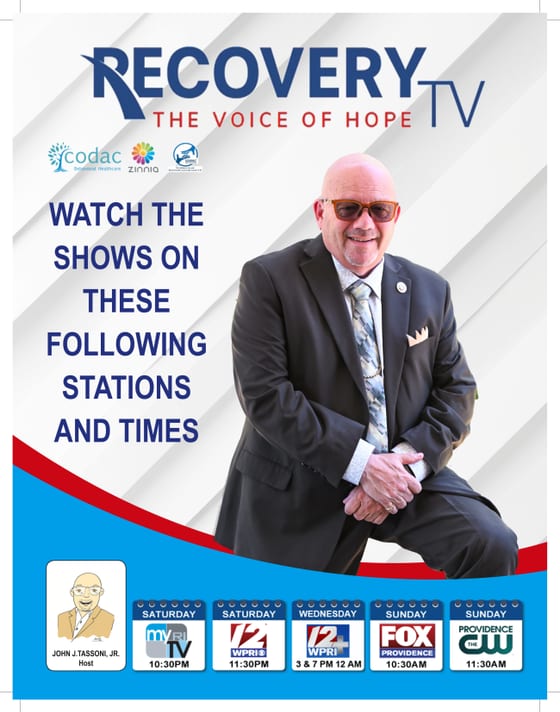
Recovery TV: The Voice of Hope, hosted by John J. Tassoni Jr., airs every week on five Rhode Island stations. See the schedule and watch past episodes.
Get Involved
We love celebrating the incredible work of our member organizations! If you're interested in having your organization featured in an upcoming Member Spotlight, please contact Nicole Rouleau at nrouleau@sumhlc.org.
Which training topics would you like us to offer? Let us know.
Member Spotlights and newsletter content by Nicole Rouleau, Administrative Assistant.